

Food manufacturers are good at getting you to buy their products, whether you want to or not. A lot of psychology goes into creating a powerful ad that will stick in your mind and prompt you to buy. For a while now, the drive to live healthy has been on top of bookseller lists, diet fads, exercise schemes and telling you what you should eat. To live longer and enjoy those compelling TV ads, it is not enough to simply have a varied diet of vegetables, cereals, fruit, nuts and meat—and exercise occasionally. You must eat ‘superfoods’! I wonder who coined that one, but it certainly made an impression.
Okay, what are some of these more ‘natural’ superfoods?
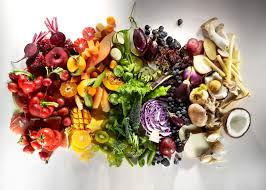
Quinoa – This tiny, grain-like seed packs some serious nutritional prowess. With a mild, nutty flavor and a texture similar to rice or couscous, quinoa is one of the only grains or seeds that provides all nine essential amino acids our bodies can’t produce themselves.
Kale – This green beats all the rest in terms of nutrition, providing more antioxidants than most other fruits and vegetables! It is also a fantastic source of fiber, calcium, and iron.
Chia – This seed are loaded with the most essential fatty acids of any known plant!
Acai – The berries from the Acai Tree, are loaded with antioxidants, amino acids and omega fatty acids. Antioxidants are thought to be able to defend cells against free radical damage.
Goji – The berries contain an impressive list of essential vitamins and minerals, as well as antioxidants. Goji berries have levels of vitamin C that may rival those in oranges. Goji berries also contain calcium, potassium, iron, zinc and selenium, are full of fiber and carotenoids which help support eye health.
Spirulina – A plant-based supplement that is a natural powerhouse of nutrients. It supplies B, C and E vitamins, betacarotene, calcium, phosphorus, potassium, magnesium and zinc. It also contains a high percentage of protein.
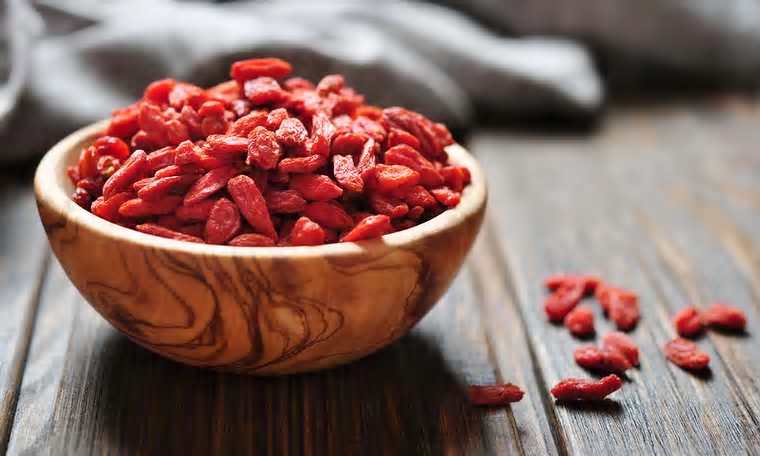 Goji berries
There are lots more and the list is lengthy and growing, but you get the idea. If you don’t eat these superfoods, which cost heaps, come in miniscule packets and taste awful, you will slowly die. These foods do contain a variety of minerals and vitamins, but there is nothing ‘super’ about them. So, how do they stack up with ‘normal’ foods?
Spinach – Full of antioxidants, and tomatoes have lots of lycopene.
Cauliflower – Rich in sulfur and glucosinates.
Salmon – Loaded with Omega-3 fatty acids.
Garlic – High in vitamins C, B1 and B6, calcium, potassium, copper, manganese and selenium.
Potatoes – Contain potassium, magnesium, iron, copper and manganese, vitamin C and most of the B vitamin group.
Liver – Loaded with minerals, vitamins and protein.
Blueberries – Contain high levels of antioxidants and phytochemicals.
Eggs – Packed with protein, antioxidants, choline, vitamins and minerals.
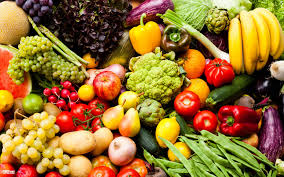 ‘Ordinary’ food
Again, the list just goes on. There isn’t a lot of profit to be made by marketers promoting old, boring foods mankind has used for millennia. It is the superfoods label that attracts advertising with promises of all sorts of extraordinary health benefits, which are not supported by any scientific testing done to date. By the way, one apple contains far more antioxidants than goji or noni juice, and costs far less! Stories about benefits and super healing powers of superfoods are…fertilizer. The European Food Safety Authority (EFSA) reviewed superfood claims and found no evidence that these foods enhance health. The EU has banned the word ‘superfood’ on product packaging unless the claim is backed by verified research. Each natural food contains its own unique blend of nutrients. If you want to get the most from your diet, you’re much better off focusing on dietary diversity rather than loading up on the top ten foods some magazine says you should eat more of.
To prove the disease-fighting properties of a nutrient requires layers of evidence. It starts with population studies, where a large group of people are used and their food intake recorded over a number of years. Such studies have shown that people who eat foods high in antioxidants have lower rates of cancer and heart disease. For the next layer of evidence, scientists examine how a particular compound might work inside a cell. With antioxidants, cell culture studies reveal that the compound acts against molecules called free radicals, which damage cells.
Known as randomised control trials, these tests work by giving half the study participants the treatment or nutrient, and the other half, the control group, a placebo. Randomised control trials are expensive and time consuming, which is why marketers of superfoods have not conducted many of them, and where they have been attempts, the results were not what they expected. It is easy to understand why some people are swayed by superfood hypes. It makes them think they are making smart choices about their health. Savvy marketers prey on this weakness, using the term to promote their products even when there is no scientific evidence to support it.
There is simply no evidence to support the label ‘superfood’. Everyone should eat broccoli, celery and kale, along with many other foods. What will make you healthy and prolong life is a balanced diet and an exercise regimen.
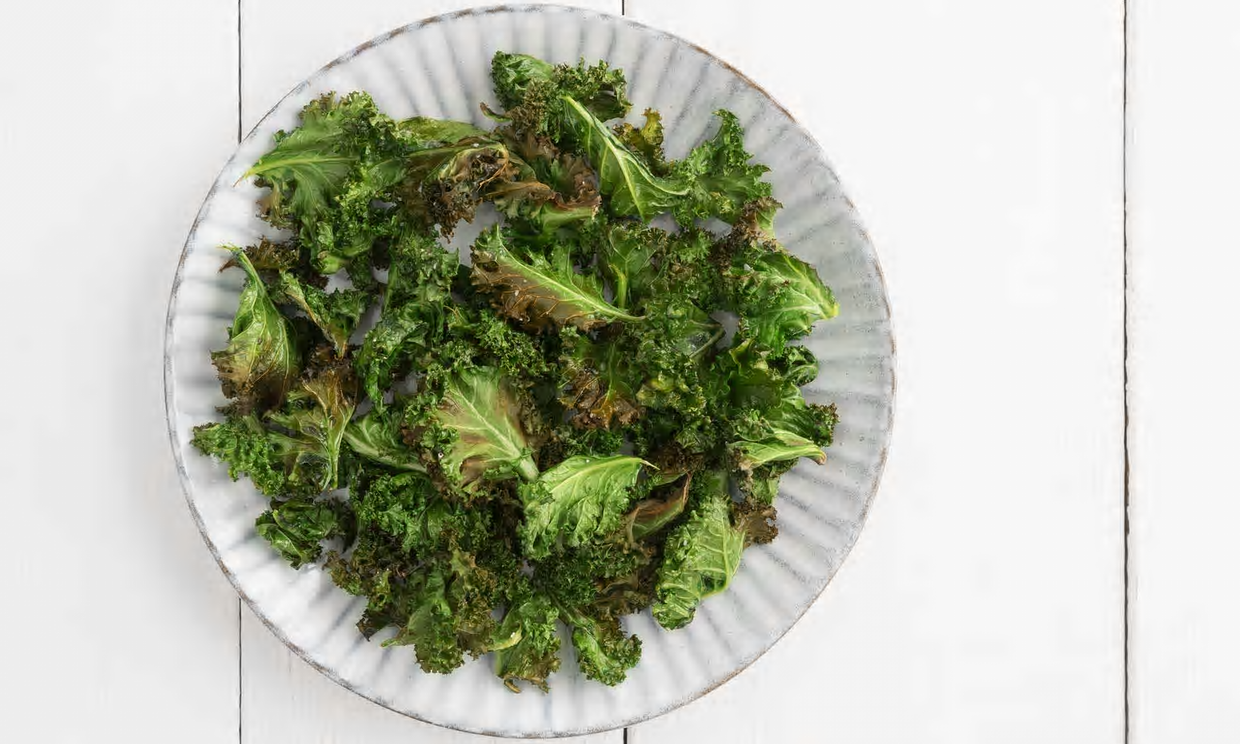 Kale
Kale
2 Responses
Superfoods, I believe is an effective way for food diversity and combat
the obese epidemic. Even though it’s a made-up marketing term, don’t
you think it has a high potential for changing the way people think about
food?What do you think? How can the Superfood label be controlled
when Superfoods are just regular, healthy, real foods? So, I guess my
question is. When adding a “Superfood” ingredient such as Hempseeds in
a recipe to make bars or something, is it still a Superfood even though its
processed with other non-Superfoods? I think this trend will become the
new, good vs evil in the food Industry. Protein Good!, Sugar Bad to
Superfoods good, Processed foods bad. But in the end, it creates a more
balanced diet than what we have now.
Hi Joshua,
As mentioned in my article, food companies have latched onto the ‘organic’ food fad as being the healthy lifestyle compared to buying traditionally/fertilizer grown products, and decided to label many ordinary foods as ‘superfoods’, and some not so ordinary. It is simply a marketing gimmick to sell regular stuff at exorbitant prices. Numerous studies have demonstrated that these superfoods don’t have any enhanced nutritional value. A balanced diet of carbohydrates, dairy, protein, fruit and vegetables found in supermarkets will give a person all the nutritional elements the body needs.